 InstitutoSagrado Corazón de Jesús
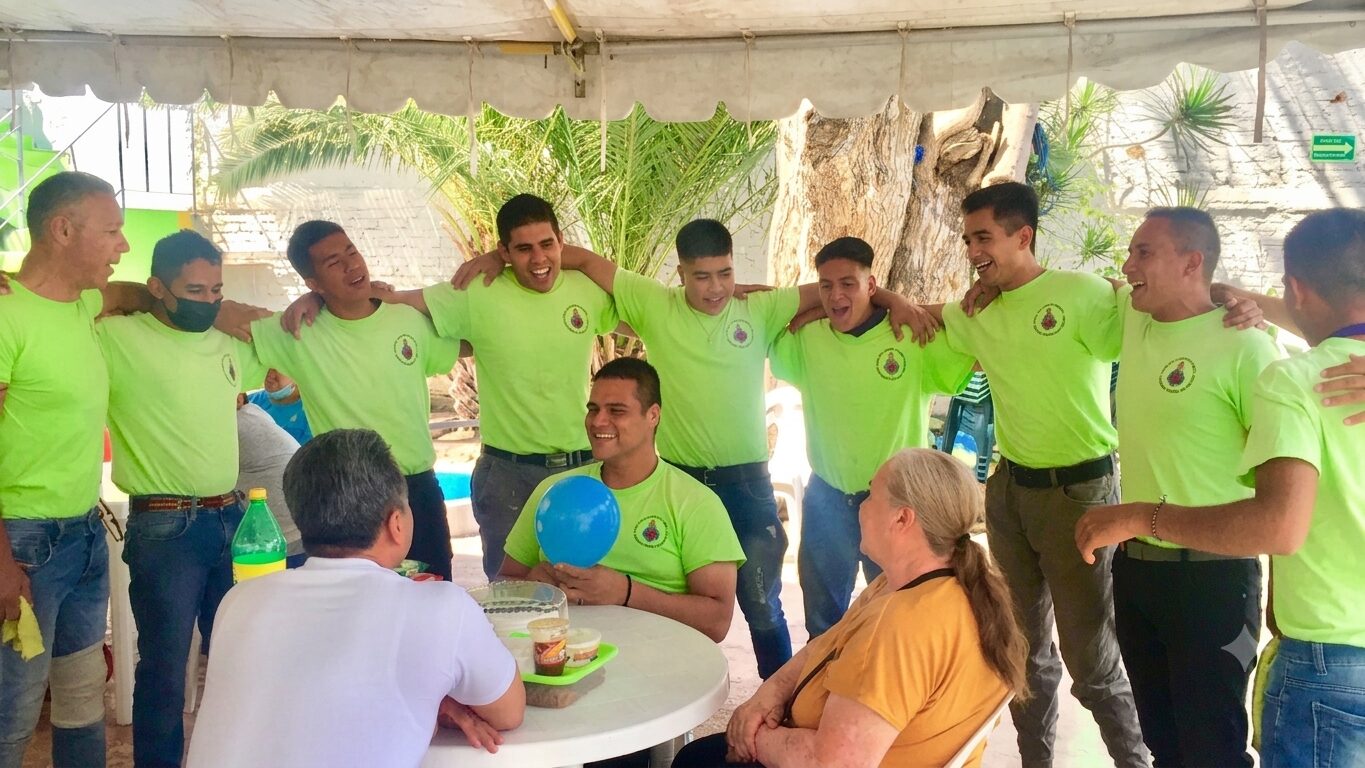
Certified treatment, dignified care, and a team that supports your family from day one, in Tonalá, Jalisco, Mexico.
Certified addiction specialists
Ongoing medical and psychiatric care
School continuity: elementary through high school
Dignified treatment, zero-mistreatment policy
Care 24 hours a day, 365 days a year
Instituto Sagrado Corazón de Jesús is a residential and outpatient treatment center for addictions and mental health, located in Tonalá, Jalisco, Mexico.
We offer psychiatric, medical, and psychological care, along with certified addiction counseling and spiritual support, in an environment where every patient is treated with respect, from the first day to the last.
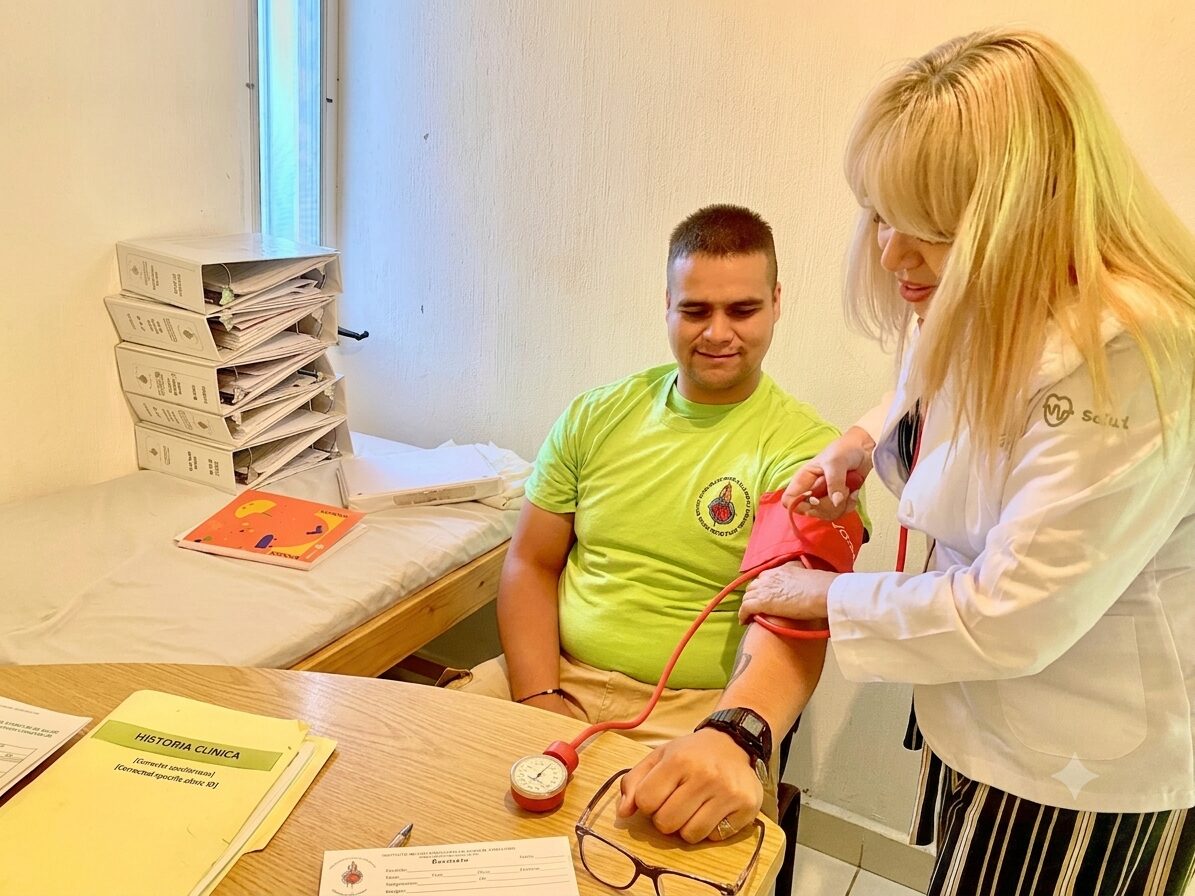
Ongoing medical check-ups, to look after physical health throughout the process too.
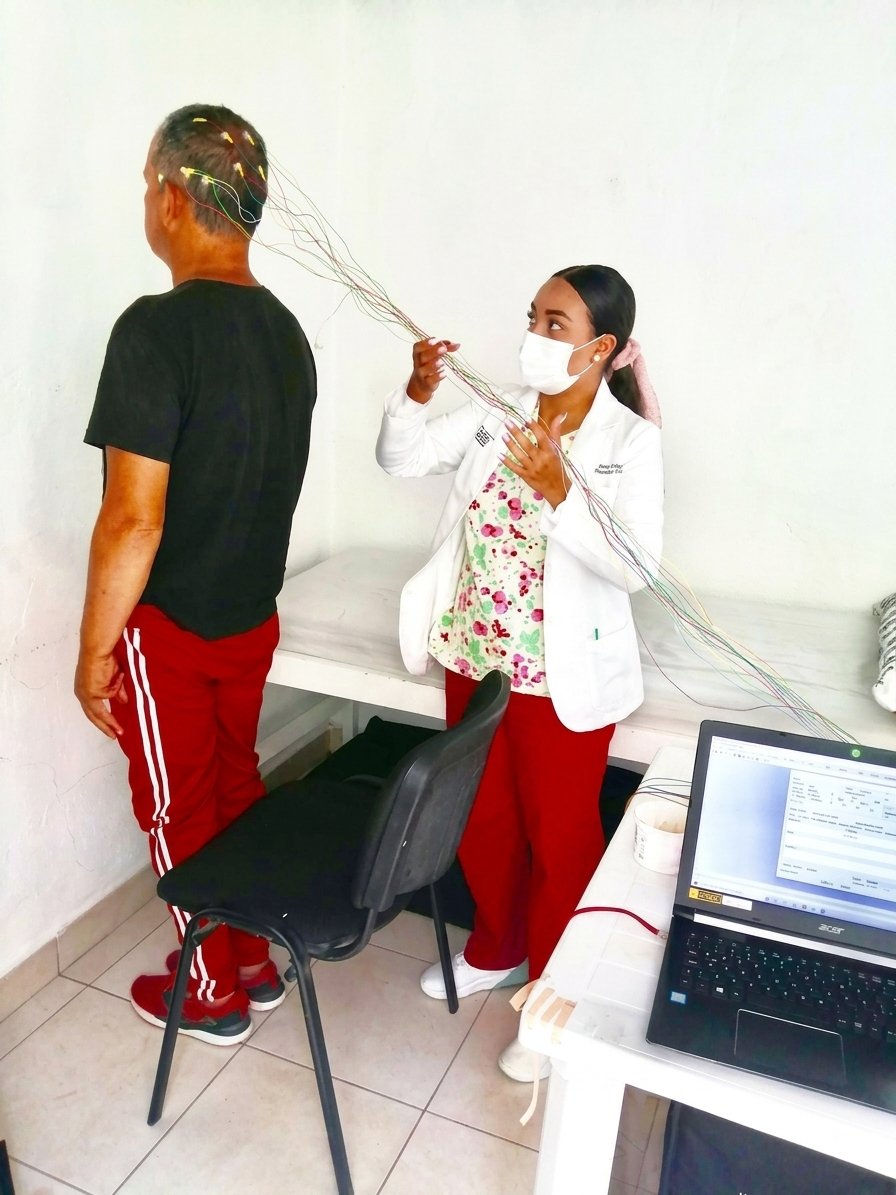
Continuous psychiatric follow-up, including specialized studies when a case requires it.
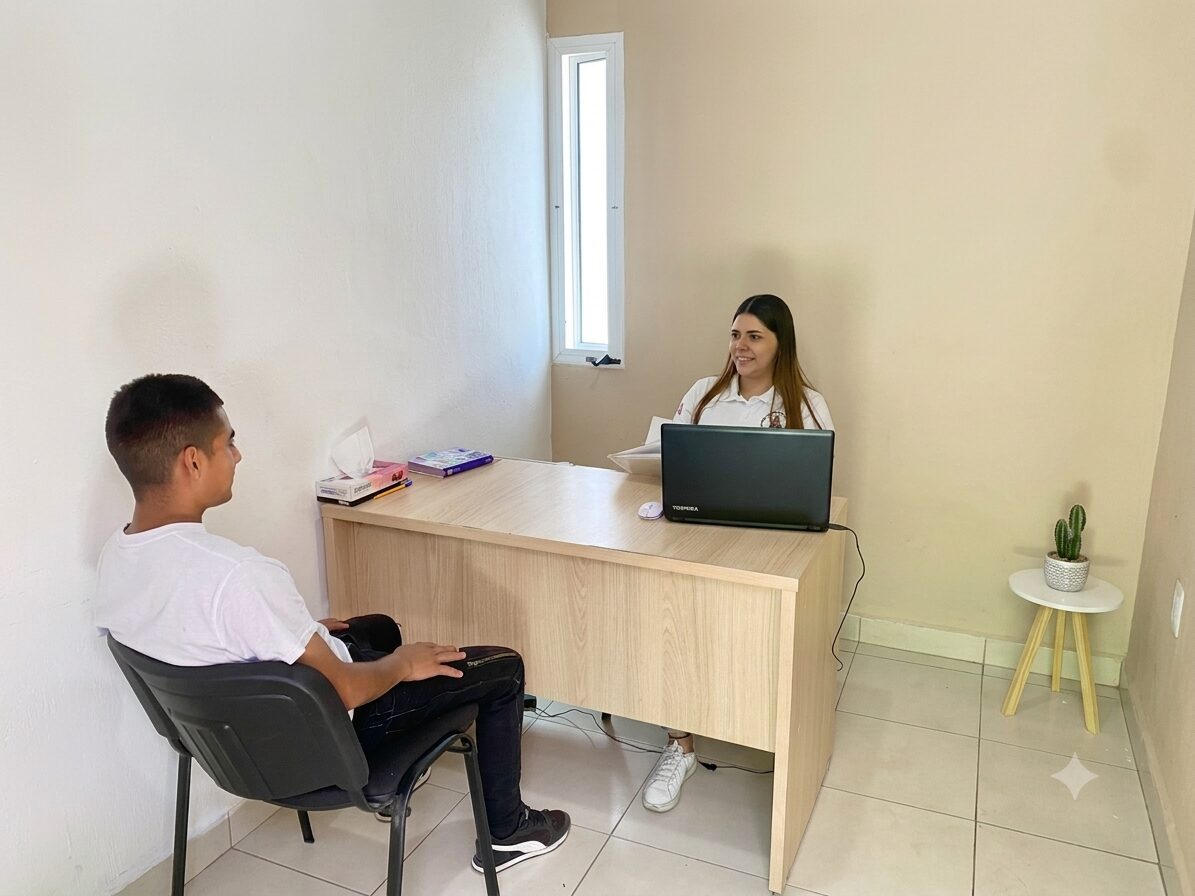
Individual psychological sessions, in a private and confidential space for every patient.
Day-to-day support from counselors certified in addiction treatment.
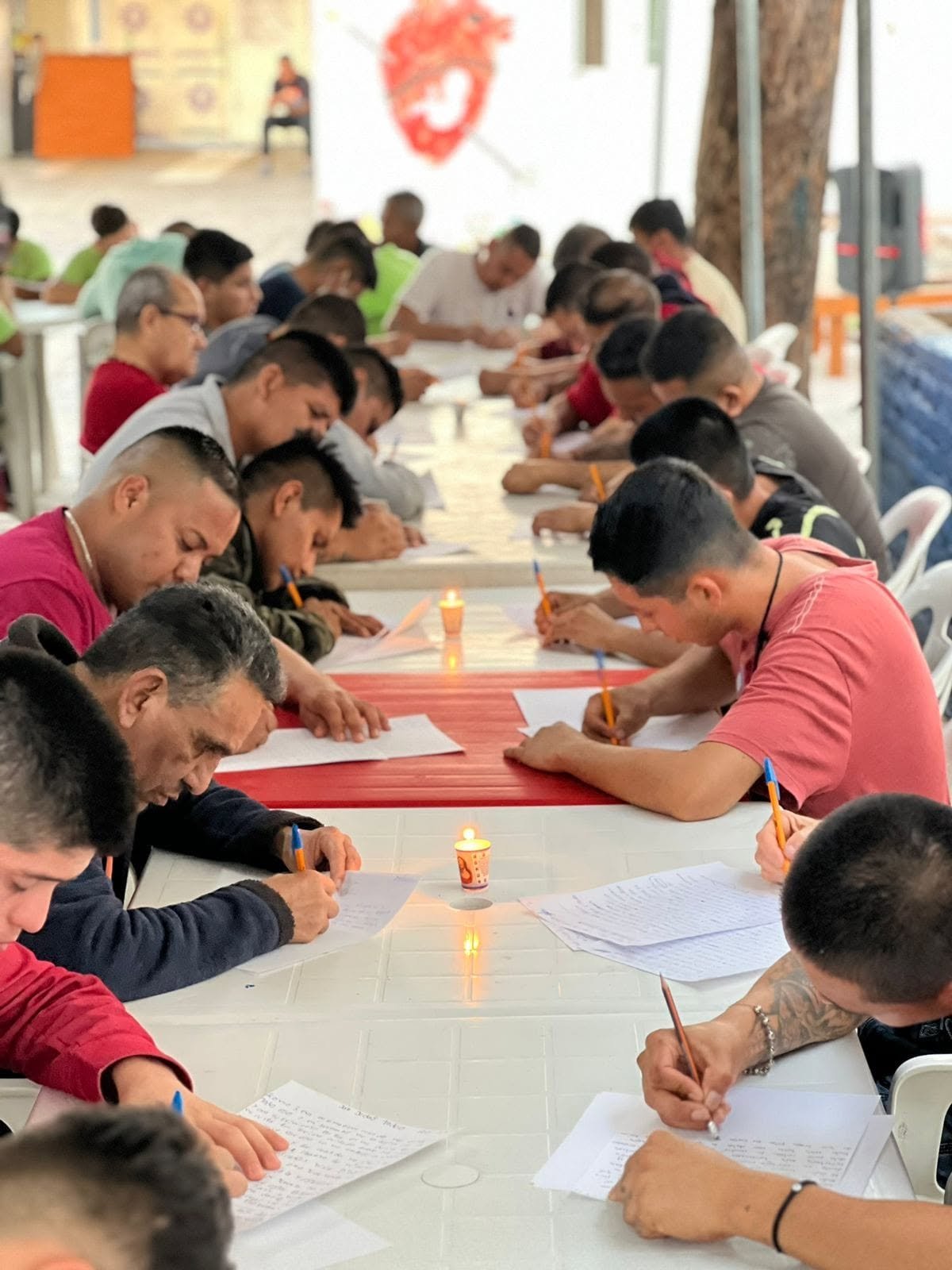
Beyond individual sessions, every patient takes part in group meetings where they share their process with others facing the same struggle — often the first time they recognize themselves in someone else's story. The group also holds people up: they support each other, challenge each other, and share accountability in a way no individual treatment can achieve on its own.
← Swipe to see more →
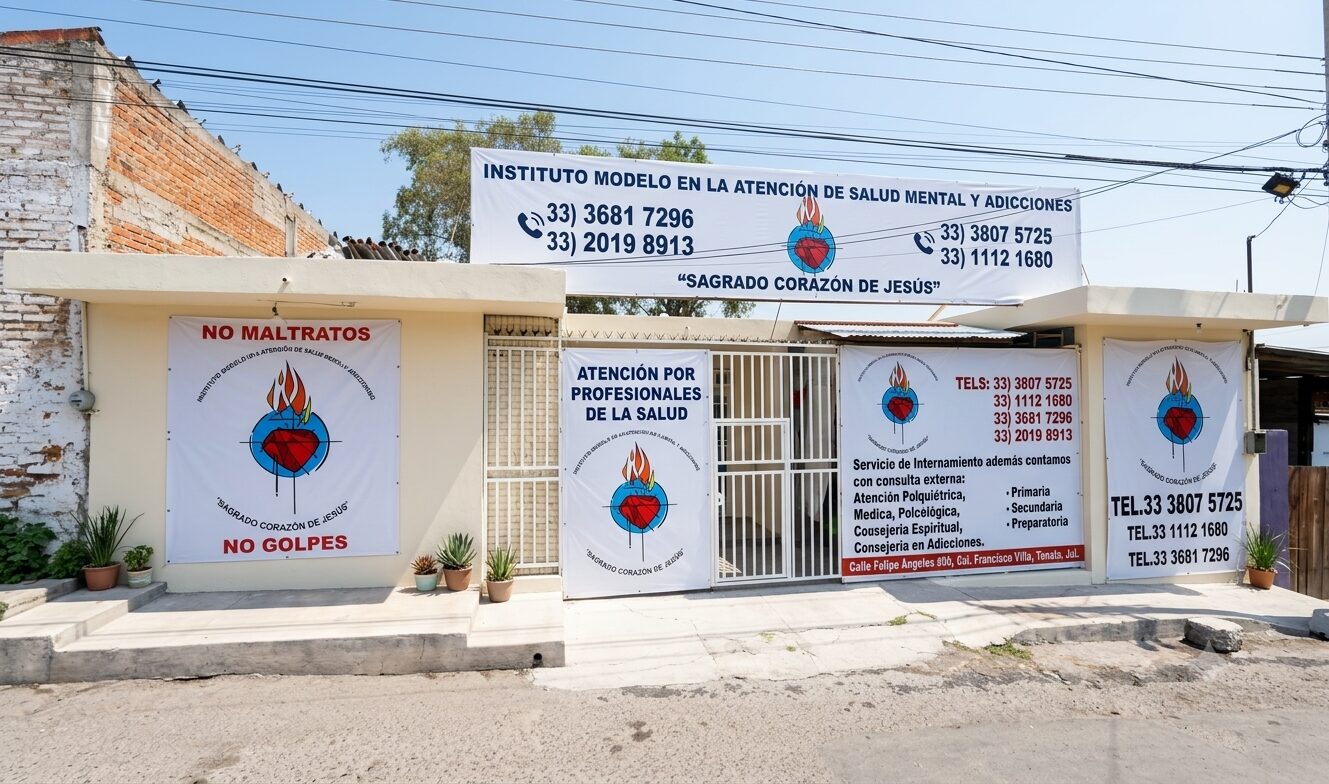
At the Institute, a patient's dignity is never up for negotiation. Our commitment to respectful treatment is displayed visibly throughout the center itself — for the patient, for their family, and for our own team.
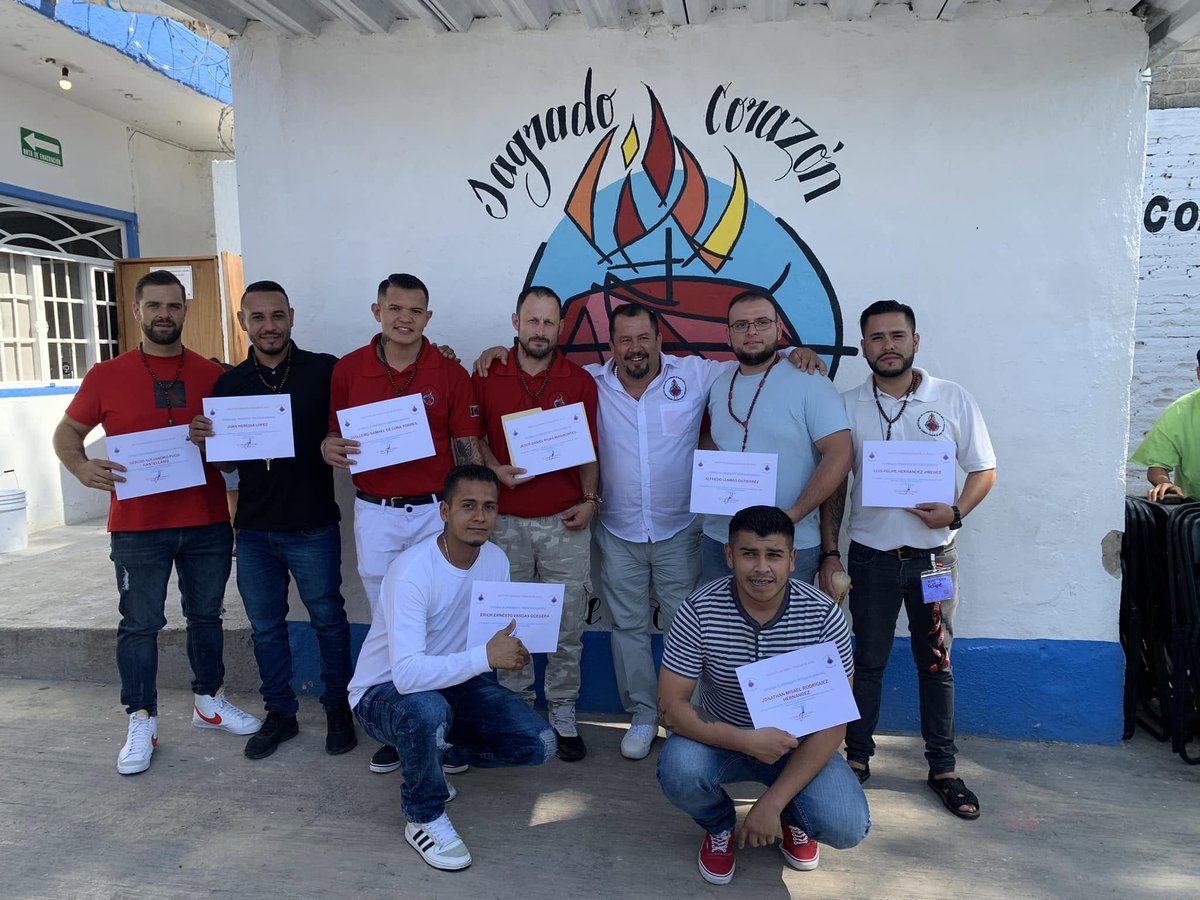
The Institute holds multiple certifications and recognitions that support the quality of our care — we'll keep publishing them here as they come.
Spaces organized for round-the-clock residential care — we'll keep adding more photos over time.
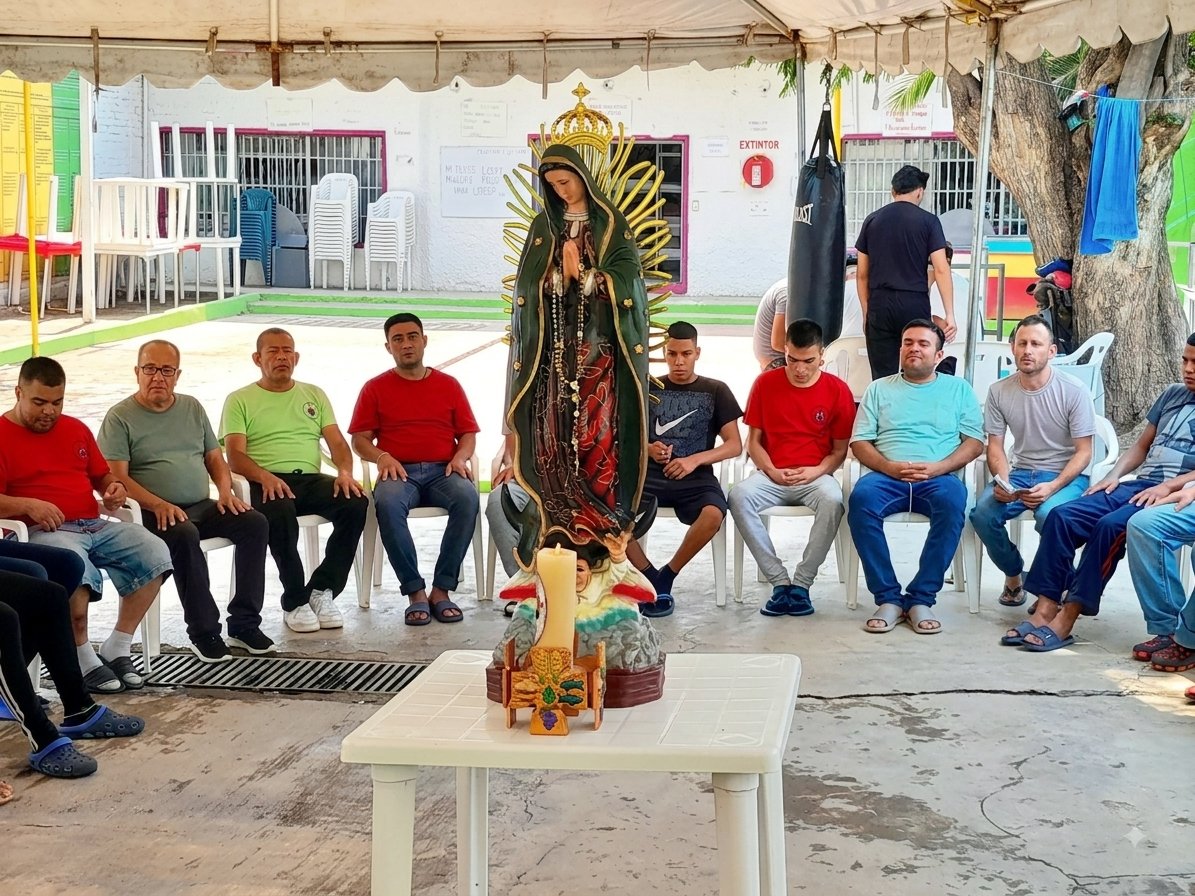
Recreational activities, time together among patients, and spiritual support are all part of daily life at the Institute — because good treatment doesn't just care for the body, it cares for the sense of belonging too.
Information to help you understand what your family is going through, what to ask, what to expect, and how to take care of yourself too.
It isn't always obvious, especially early on. Some signs worth watching for: noticeable changes in behavior or mood, withdrawing from family and friends, neglecting responsibilities (work, school, home), changes in sleep or appetite, frequently needing money with no clear explanation, and secrecy about where they are or who they're with.
No single sign is definitive proof — it's the pattern, sustained over time, that usually points to a real problem. If you recognize several of these signs, you don't need to be 100% certain to ask for guidance.
Addiction is understood today as a medical and psychological condition, not a lack of willpower — which is why effective treatment combines several approaches at once, not just one.
Medical model: psychiatric and medical care for body and mind throughout the process. Twelve-step model: mutual support and community, rooted in traditions like Alcoholics Anonymous. Therapeutic model: individual and group psychotherapy, to work through underlying causes. Spiritual and social model: a sense of purpose and reintegration into community life. A comprehensive treatment doesn't pick just one — it combines them.
Recovery isn't a process the patient goes through alone, and the evidence backs this up: treatments that actively involve the family tend to have better long-term results.
This means understanding your own codependency, learning to support without controlling, and sustaining the relationship throughout the process — which is why family visits and sessions are part of treatment, not an extra. The family heals too, it doesn't just wait.
It's a real grief, even though your family member is still alive — sometimes called "ambiguous loss": you miss the person you knew, while still caring for the person the addiction has turned them into. It's common to feel sadness, anger, guilt, and exhaustion all at once, and none of those feelings make you a bad family member.
Taking care of yourself is also part of caring for your family member: find your own support, allow yourself to rest, and accept that you can't control someone else's recovery — you can only walk alongside it.
This information is for guidance only and doesn't replace a professional evaluation. If you recognize your family member in any of this, we're glad to talk with you, with no obligation.
Free guide to download
Do you suspect a family member has an addiction problem?
Warning signs and what to do to take the first step, explained clearly. (Available in Spanish.)
So you know exactly what to expect from the very first contact.
Call or message us on WhatsApp. We'll listen and answer your first questions, with no obligation.
Our therapeutic, medical, and psychiatric team evaluates your family member's situation to guide you toward the most suitable type of care.
Together we define the treatment plan — residential or outpatient — and the steps for admission.
Your family member begins treatment with medical, psychological, and family follow-up throughout the entire process.
We're building this space with the permission and the voice of those who've lived their process with us, so you can hear it directly from them, not from us.
Coming soon
Coming soon
Coming soon
Activities, time together, and moments of reflection that are part of daily life at the Institute.
Community worship
Reflection circle
Wrestling event
Group talk
Coming soon
Coming soon
Take the first step — a call or a message, with no obligation.
Other support lines, in case you ever need them (Mexico-based)
Whether it's with us or with someone else, the one thing that shouldn't happen is facing this alone.
Select any text on the page (with your finger or mouse) and press the button to have it read aloud.